




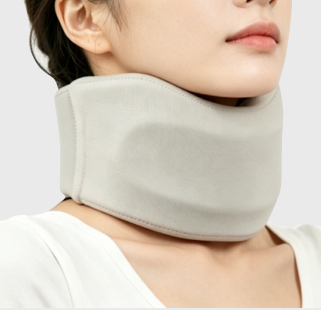
How to Size a Cervical Collar: A Complete Guide to Finding the Right Fit
Choosing the correct cervical collar size is essential for providing proper neck support, maintaining cervical alignment, and improving wearing comfort. A collar that is too loose may not provide adequate stabilization, while one that is too tight can cause pressure, skin irritation, and discomfort. Understanding how to measure neck dimensions and evaluate collar fit helps patients, caregivers, and medical equipment buyers select an appropriate product.
1. How to Size a Cervical Collar Correctly?
To size a Cervical Collar, you generally need to measure two key dimensions: neck circumference and neck height. However, the exact measurement requirements depend on the collar design and manufacturer’s sizing chart.
Step 1: Measure Neck Circumference
Use a flexible measuring tape to measure around the middle of the neck. Keep the tape level and comfortably positioned without pulling it too tightly.
Record the measurement in centimeters or inches. This measurement helps determine whether a small, medium, or large cervical collar is appropriate.
Step 2: Measure Neck Height
Measure the vertical distance between the lower edge of the chin and the upper chest or sternum, following the measurement instructions provided by the collar manufacturer.
Neck height is particularly important for rigid cervical collars because the device must support the jaw while maintaining appropriate positioning.
Step 3: Check the Manufacturer's Size Chart
Compare both measurements with the manufacturer's sizing guide. Do not select a collar based on neck circumference alone, as different models may have different dimensions and fitting requirements.
Step 4: Check the Overall Fit
After fitting, check that:
The chin is comfortably supported by the chin cup.
The collar maintains the intended neck position.
The device does not create excessive pressure around the throat.
The collar remains stable without sliding or rotating.
Breathing and swallowing are not restricted.
For patients with suspected cervical spine injuries, collar selection and fitting should be performed by trained healthcare professionals. Do not adjust an immobilization device independently.
2. Why Is Proper Cervical Collar Sizing Important?
Correct cervical collar sizing affects both support and patient comfort. An improperly fitted device may fail to provide the intended level of immobilization.
1. Maintaining Proper Neck Support
A correctly sized cervical collar helps support the head and neck in the position prescribed by a healthcare professional. This is particularly important during recovery from certain cervical spine injuries or after surgical procedures.
For example, a patient recovering from a cervical spine injury may require a rigid collar to limit unwanted neck movement. If the collar is too large, it may shift during daily activities and compromise its intended support.
2. Reducing Pressure and Skin Irritation
An excessively tight collar can create pressure around the chin, jawline, shoulders, and neck. Prolonged pressure and moisture may contribute to skin irritation or pressure injuries.
For instance, a patient wearing a cervical collar throughout the day should have the skin checked regularly according to the care team's instructions. Persistent redness, pain, or skin breakdown should be reported to a healthcare professional.
3. Improving Wearing Comfort and Compliance
Comfort is an important factor in consistent device use. A properly fitted collar is less likely to slide, rub against the skin, or interfere unnecessarily with daily activities.
This makes accurate sizing an important consideration for hospitals, rehabilitation centers, and medical equipment distributors purchasing cervical support products.
3. What Are the Different Sizes of Cervical Collars?
Cervical collars are commonly available in several size categories, including extra small, small, medium, large, and extra large.
However, there is no universal sizing standard that applies to every cervical collar model.
| Size | Typical Application |
|---|---|
| XS | Smaller neck dimensions |
| S | Small neck dimensions |
| M | Medium neck dimensions |
| L | Larger neck dimensions |
| XL | Extra-large neck dimensions |
Some cervical collars also feature adjustable height or circumference settings. These designs can accommodate a wider range of body dimensions, but adjustment must remain within the product's specified fitting range.
Practical Example:
Consider two patients with similar neck circumferences but different neck heights. A standard collar selected only by circumference may fit one patient appropriately but fail to provide the correct chin and chest support for the other.
This illustrates why both circumference and vertical height should be considered when the product design requires them.
4. How Should a Cervical Collar Fit?
A properly fitted cervical collar should provide the prescribed support without causing unnecessary pressure or restricting normal functions.
Several fitting points should be evaluated:
Chin Position: The chin should rest securely within the designated support area rather than slipping over the front edge.
Chest Contact: The lower portion should sit in the intended position against the upper chest without digging into the sternum or collarbone.
Neck Alignment: The collar should maintain the position prescribed by the healthcare professional. It should not force the neck into excessive extension or flexion.
Skin Condition: Check for persistent redness, discomfort, pressure marks, or skin breakdown, particularly around bony areas.
Daily Comfort: The collar should remain stable during permitted movements without excessive shifting.
A collar should not be loosened or repositioned simply to improve comfort when it is being used for prescribed spinal immobilization. Contact the treating healthcare professional if the fit appears incorrect.
5. How Do You Choose Between a Soft and Rigid Cervical Collar?
The appropriate cervical collar depends on the patient's medical condition, treatment requirements, and the level of support prescribed.
Soft Cervical Collars
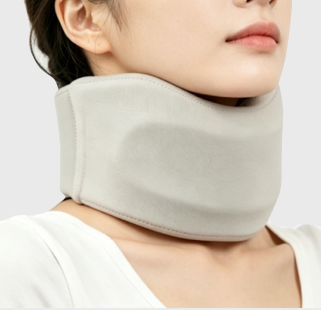
Soft cervical collars are generally made from foam or other flexible materials. They provide light support and may be recommended for selected cases of neck discomfort or muscle strain.
They are not designed to provide the same level of immobilization as rigid cervical collars.
Rigid Cervical Collars
Rigid cervical collars typically use stronger structural materials, such as molded plastic, to provide more substantial support and restrict neck movement.
They may be prescribed following certain cervical spine injuries or surgical procedures.
For example, a patient recovering from a cervical spine procedure may be prescribed a rigid collar to help maintain the required neck position. The collar type and wearing duration should follow the surgeon's instructions.
The choice should always be based on clinical assessment rather than comfort or appearance alone.
6. Frequently Asked Questions About Cervical Collar Sizing
Q1: How tight should a cervical collar be?
A cervical collar should be secure enough to remain in its intended position without creating excessive pressure. It should not interfere with breathing or swallowing. The correct tightness depends on the device design and clinical instructions.
Q2: Can I wear a cervical collar that is one size larger?
Choosing a larger size is not necessarily safer or more comfortable. An oversized collar may move excessively or fail to provide the intended support. Always follow the manufacturer's sizing chart and professional fitting instructions.
Q3: How often should a cervical collar be checked for proper fit?
The fit should be checked during initial application and whenever there are changes in swelling, body dimensions, positioning, or patient comfort. Skin condition should also be monitored regularly, especially during prolonged use.
If the collar becomes loose, causes new pain, or produces skin damage, consult a healthcare professional before making adjustments.
Conclusion
Knowing how to size a cervical collar correctly involves more than measuring neck circumference. Neck height, collar design, chin support, chest positioning, and overall stability all contribute to an appropriate fit.
For healthcare providers, rehabilitation facilities, and medical equipment distributors, understanding these sizing requirements helps improve product selection and patient care. Always refer to the manufacturer's sizing chart and follow professional fitting recommendations to ensure the cervical collar provides the intended support.