




What Materials Are Used to Make Cervical Collars?
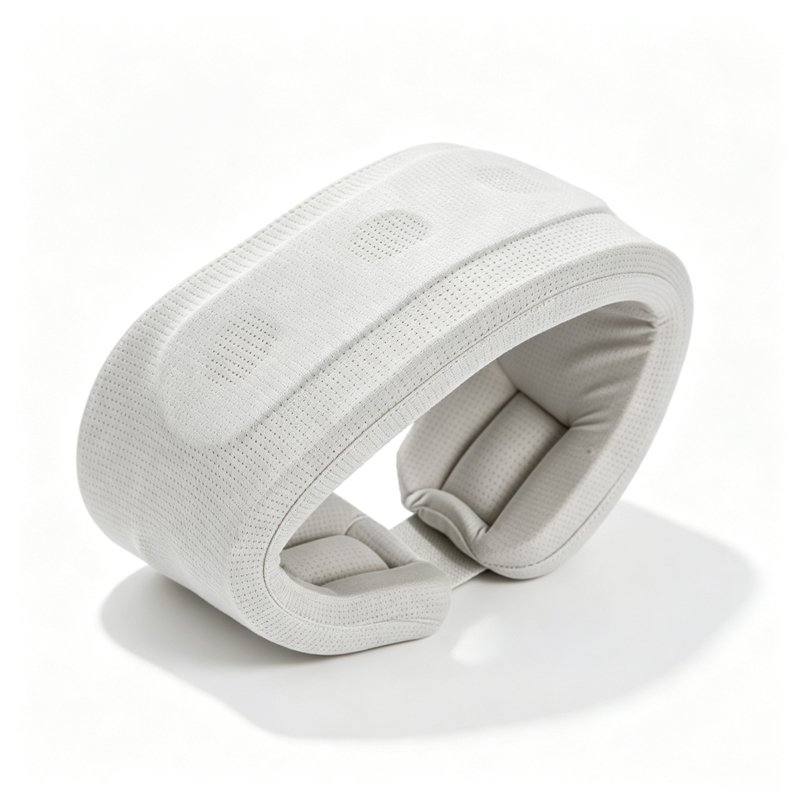
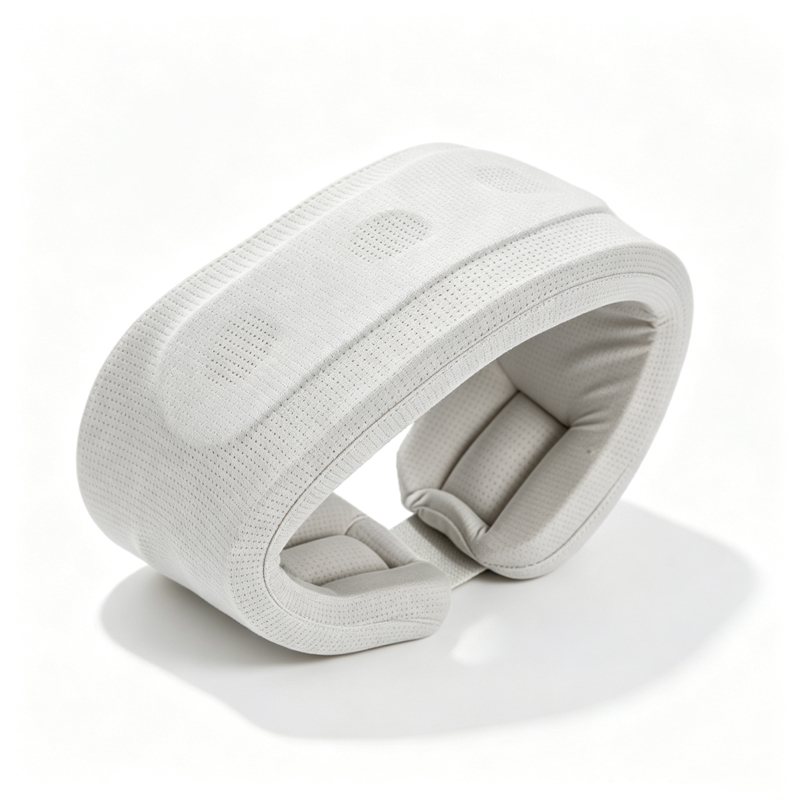
Cervical Collars are medical support devices designed to stabilize the neck, limit cervical spine movement, and provide support during injury recovery. The materials used in their construction directly affect comfort, durability, breathability, and immobilization performance. Common materials include medical-grade foam, polyethylene (PE), polypropylene (PP), thermoplastic materials, and hook-and-loop fastening fabrics. Each material serves a different purpose depending on the collar design and intended medical application.
1. What Materials Are Commonly Used in Cervical Collars?
Most cervical collars combine multiple materials to balance structural support and patient comfort. The main materials include:
1.1 Medical-Grade Foam
Foam is widely used in soft cervical collars because it provides cushioning and adapts to the shape of the neck.
Common options include:
Polyurethane (PU) foam: Offers flexibility, cushioning, and lightweight construction.
EVA foam: Provides good resilience, cushioning, and resistance to repeated compression.
Memory foam: Can conform to the neck's shape and distribute contact pressure.
For example, a soft cervical collar made with PU foam can provide gentle support for patients experiencing mild neck discomfort. The foam padding also helps reduce direct contact between the skin and the collar's structural components.
1.2 Polyethylene (PE)
Polyethylene is commonly used in rigid cervical collars because of its lightweight properties, impact resistance, and formability.
PE components can be molded into specific shapes to support the chin, jaw, and lower neck. High-density polyethylene (HDPE), in particular, offers greater rigidity than low-density polyethylene.
For manufacturers, PE provides a practical balance between structural stability and product weight. It is frequently considered for rigid collar shells and support components.
1.3 Polypropylene (PP)
Polypropylene is another thermoplastic material used in medical device components.
Its main characteristics include:
Low density and lightweight construction.
Good chemical resistance.
Good fatigue resistance in appropriately designed components.
Suitability for injection molding.
For example, injection-molded PP components can be used in adjustable cervical collar structures where consistent dimensions and repeatable production are important.
1.4 Hook-and-Loop Fastening Materials
Hook-and-loop straps are commonly used to secure cervical collars around the neck.
They allow users or healthcare professionals to adjust the fit according to the product design. Nylon and polyester are frequently used in these fastening systems because of their flexibility and textile durability.
The fastening system should maintain sufficient holding strength during repeated opening and closing cycles.
2. Why Does Material Selection Matter for Cervical Collars?
Material selection is not simply a manufacturing decision. It directly influences how a cervical collar performs during daily use and medical treatment.
2.1 Support and Immobilization Performance
Rigid cervical collars require materials with sufficient stiffness to help restrict unwanted neck movement.
For example, a rigid collar made with a properly designed PE shell can provide more structural support than a soft foam collar.
The material must maintain its shape under expected use conditions. Wall thickness, molding design, and structural geometry also influence the final support performance.
2.2 Comfort and Skin Contact
A cervical collar may remain in contact with the patient's skin for extended periods.
Soft foam padding helps distribute contact pressure and reduce friction. Breathable fabric covers can also improve moisture management.
For instance, a collar combining a rigid PE shell with soft PU foam padding provides a different balance of support and comfort compared with an entirely foam-based design.
2.3 Durability and Cleaning Requirements
Medical devices must withstand their intended usage and maintenance conditions.
PE and PP components generally offer good resistance to moisture and many common chemicals. However, cleaning compatibility depends on the exact material grade, additives, surface finish, and cleaning agents.
Manufacturers should evaluate material performance through appropriate testing rather than assuming that all plastic components have the same chemical resistance.
3. What Is the Difference Between Soft and Rigid Cervical Collar Materials?
Soft and rigid cervical collars use different material combinations because they serve different support requirements.
| Feature | Soft Cervical Collar | Rigid Cervical Collar |
|---|---|---|
| Main materials | PU foam, EVA foam | PE, PP, thermoplastics |
| Flexibility | High | Low to moderate |
| Structural support | Gentle support | Greater movement restriction |
| Comfort | Soft cushioning | Often requires foam padding |
| Typical applications | Mild neck support | Post-injury or post-operative support |
For example, a soft foam collar is generally designed for cushioning and gentle support, while a rigid cervical collar is designed to provide more substantial restriction of cervical movement.
The appropriate type should be selected according to clinical requirements and professional medical guidance.
4. How Are Cervical Collar Materials Selected for Manufacturing?
Manufacturers need to consider several factors when selecting materials for cervical collar production.
4.1 Intended Application
The first consideration is the intended medical application.
A soft collar may prioritize flexibility and cushioning, while a rigid collar requires sufficient structural strength and dimensional stability.
Selecting materials before defining the product's intended function can result in unnecessary manufacturing costs or inadequate performance.
4.2 Molding and Production Requirements
Different materials require different manufacturing processes.
For example:
PU foam: Commonly produced through foam molding or cutting processes.
EVA foam: Can be compression molded or cut into specified shapes.
PE: Can be processed through extrusion, thermoforming, or injection molding, depending on the grade and component design.
PP: Commonly processed through injection molding.
For mass production, manufacturers should evaluate mold design, material shrinkage, dimensional tolerances, and production consistency.
4.3 Medical Safety and Quality Testing
Materials used in medical devices should be evaluated for their intended contact conditions.
Relevant considerations include:
Biocompatibility and skin-contact safety.
Material strength and deformation resistance.
Odor and chemical composition.
Cleaning and disinfection compatibility.
Dimensional stability during use.
ISO 10993 provides a framework for evaluating the biological safety of medical devices. The specific tests required depend on the nature and duration of body contact.
For example, materials intended for prolonged skin contact may require a different biological evaluation from components that have no direct patient contact.
5. What Quality Tests Are Important for Cervical Collar Materials?
Material selection should be supported by measurable quality testing. Several tests can help manufacturers evaluate product consistency and reliability.
5.1 Compression and Recovery Testing
Foam padding should maintain suitable cushioning properties under repeated compression.
For example, PU foam samples can be evaluated for compression resistance and recovery after deformation. ASTM D3574 is a commonly referenced test standard for flexible cellular urethane foams.
5.2 Tensile and Flexural Testing
Plastic components should be evaluated for mechanical strength and deformation behavior.
ASTM D638 is commonly used for tensile testing of plastics, while ASTM D790 covers flexural properties.
These tests help manufacturers compare material grades and assess whether a selected material meets the component's design requirements.
5.3 Dimensional and Durability Testing
Cervical collar components should maintain their intended dimensions and fit during normal use.
Manufacturers can evaluate:
Shell dimensions and thickness.
Fastener attachment strength.
Repeated hook-and-loop opening and closing.
Foam thickness and recovery.
Fit consistency across different product sizes.
For example, testing 30 production samples across several manufacturing batches can help identify dimensional variation and process consistency. This is an illustrative quality-control sampling approach, not a universal regulatory requirement.
Conclusion
Cervical collars are manufactured using different materials, including PU foam, EVA foam, polyethylene, polypropylene, and hook-and-loop fastening fabrics. Each material contributes specific properties to the finished product, from cushioning and flexibility to structural support and durability.
For manufacturers and medical device buyers, the right material combination depends on the collar type, intended application, patient comfort requirements, and applicable medical device standards. Evaluating material properties and conducting appropriate quality tests are e