




What Is the Difference Between Soft and Rigid Cervical Collars?
A Cervical Collar is a medical support device designed to stabilize the neck, limit cervical movement, and help manage certain neck injuries and conditions. Soft and rigid cervical collars are two common types, but they differ significantly in material, Support Level, movement restriction, and clinical applications. Understanding these differences helps healthcare professionals, medical distributors, and buyers select the appropriate cervical collar for different patient needs.
1. What Is the Difference Between Soft and Rigid Cervical Collars?
The main difference between soft and rigid cervical collars is the level of neck support and movement restriction they provide.
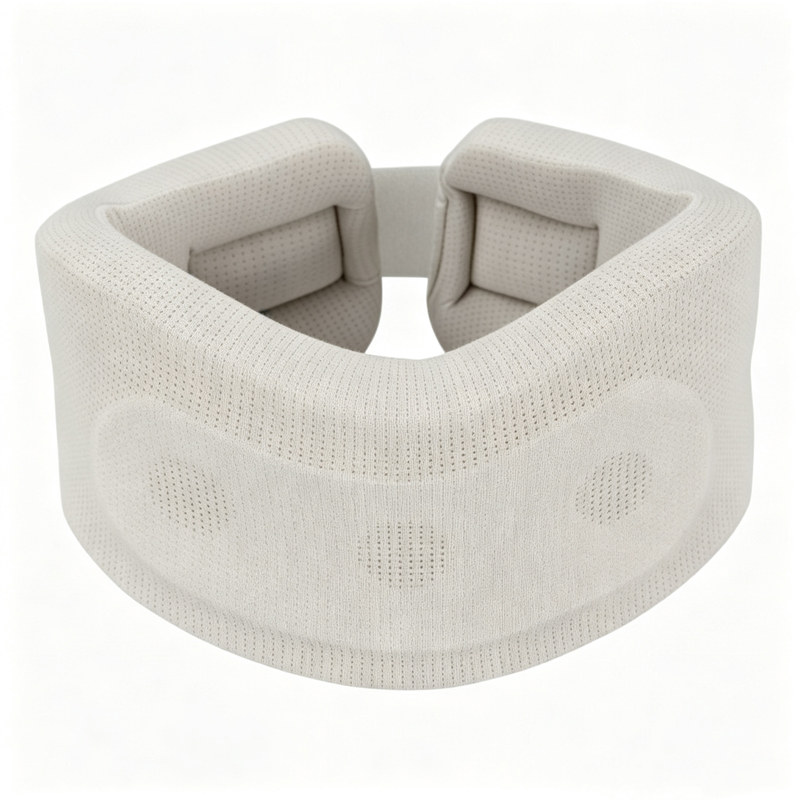
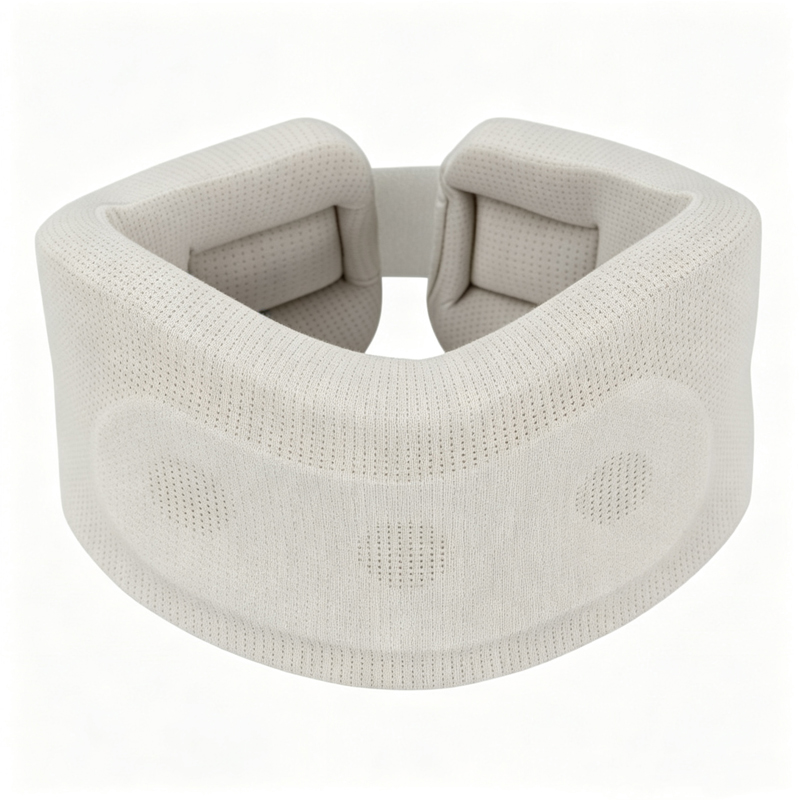
A soft cervical collar is generally made from flexible foam covered with fabric. It provides Mild Support, warmth, and comfort while allowing some natural neck movement. It is commonly used for short-term symptom relief in selected cases of mild neck pain or muscle strain.
A rigid cervical collar is typically constructed from hard plastic or other firm materials, often with adjustable components and padded contact surfaces. It provides greater mechanical support and restricts neck movement more effectively. Rigid collars are used in specific clinical situations, including suspected cervical spine injuries and postoperative stabilization, according to medical assessment.
| Comparison | Soft Cervical Collar | Rigid Cervical Collar |
|---|---|---|
| Main material | Flexible foam and fabric | Hard plastic and padding |
| Support level | Mild support | Greater mechanical support |
| Movement restriction | Limited | More substantial |
| Comfort | Generally softer and more flexible | Firmer and more restrictive |
| Common applications | Selected cases of mild neck discomfort | Cervical injury management and postoperative care |
| Adjustability | Usually limited | Often adjustable |
| Typical use | Short-term symptom management | Clinical immobilization when indicated |
For example, a patient experiencing mild neck muscle discomfort may be advised to use a soft collar for a limited period. In contrast, a patient with a suspected cervical spine injury may require a properly fitted rigid collar as part of emergency spinal motion restriction.
The appropriate type depends on the diagnosis, injury severity, and medical recommendations rather than comfort alone.
2. Why Are Soft and Rigid Cervical Collars Used for Different Conditions?
Soft and rigid cervical collars serve different purposes because they provide different levels of mechanical support.
2.1 Soft Cervical Collars Focus on Comfort and Mild Support
Soft collars are designed to provide gentle support around the neck. Their flexible structure allows some movement while offering a reminder to avoid excessive or uncomfortable neck motion.
They may be recommended in selected cases involving mild muscle strain or neck discomfort. However, they do not provide reliable spinal immobilization and should not be used as a substitute for medical treatment when a serious cervical injury is suspected.
For instance, someone experiencing mild neck discomfort after prolonged desk work may benefit from addressing posture, taking movement breaks, and following professional advice. A soft collar may occasionally be recommended for temporary symptom management.
2.2 Rigid Cervical Collars Provide Greater Mechanical Stabilization
Rigid collars are designed to restrict cervical movement more effectively. Their firm structure supports the head and neck while limiting certain movements, depending on the collar design and fit.
They are commonly used in emergency care when cervical spine injury is suspected and in selected postoperative situations. Some rigid cervical collars feature adjustable height settings, secure fastening systems, and removable padding.
For example, emergency medical personnel may apply a rigid cervical collar to a trauma patient as part of a broader spinal motion restriction protocol. The collar alone does not guarantee complete immobilization.
2.3 Material and Design Affect Performance
The materials used in cervical collar manufacturing directly influence flexibility, durability, weight, and patient comfort.
Soft collars generally use polyurethane foam or similar cushioning materials. Rigid models commonly incorporate molded thermoplastic components, such as polypropylene, together with foam padding.
Manufacturers must consider several factors when developing cervical collars:
Material strength: Determines structural stability and resistance to deformation.
Padding quality: Influences skin contact, pressure distribution, and comfort.
Adjustability: Helps accommodate different neck sizes and anatomical requirements.
Fastening system: Supports secure positioning during use.
Cleaning and maintenance: Important for medical facilities and reusable products.
These factors are particularly relevant for medical equipment distributors and healthcare procurement teams evaluating cervical collar products.
3. How Do You Choose Between a Soft and Rigid Cervical Collar?
Choosing a cervical collar requires consideration of the patient's condition, required support level, product fit, and professional recommendations.
3.1 Consider the Required Level of Support
The first consideration is how much cervical movement needs to be restricted.
A soft collar may be appropriate for selected cases requiring mild support. A rigid collar is generally considered when greater movement restriction is clinically necessary.
For example, a patient with mild muscular discomfort and a patient with a suspected cervical fracture have very different support requirements. Selecting a collar based only on appearance or price can lead to inappropriate use.
3.2 Check Size, Fit, and Adjustability
Proper sizing is essential for cervical collar performance. A collar that is too loose may not provide the intended support, while one that is too tight may cause discomfort or excessive pressure.
Important fitting considerations include:
Neck circumference and anatomical dimensions.
Chin and jaw positioning.
Collar height and adjustment range.
Pressure points around the neck and shoulders.
Stability during normal clinical handling.
For healthcare providers and distributors, offering multiple sizes and adjustable designs can help meet the needs of different patient groups.
3.3 Evaluate Material Quality and Product Safety
Medical buyers should also evaluate material consistency, structural durability, skin-contact characteristics, and applicable regulatory requirements.
For example, rigid cervical collars should maintain their intended shape under normal use, while foam components should provide consistent cushioning. Product documentation, quality management systems, and relevant market certifications should also be reviewed before procurement.
4. How Long Should You Wear a Cervical Collar?
The recommended wearing time depends on the type of cervical collar and the underlying medical condition.
Soft cervical collars are generally intended for limited use in selected cases. Prolonged unnecessary use may contribute to neck muscle deconditioning and reduced mobility.
Rigid cervical collars may need to be worn for longer periods when prescribed for injury management or postoperative care. Patients should follow the treatment plan provided by their healthcare professionals and should not remove a prescribed collar without medical guidance.
For example, patients recovering from cervical spine surgery may have specific instructions regarding collar use, follow-up examinations, and gradual return to normal activities. The duration varies according to the procedure and individual recovery progress.
There is no universal wearing schedule that applies to every patient.
5. What Should Medical Buyers Look for in a Cervical Collar Manufacturer?
For hospitals, rehabilitation centers, medical distributors, and healthcare brands, choosing a reliable cervical collar manufacturer involves more than comparing product appearance.
Several factors should be evaluated before placing an order.
Product Range: A manufacturer should offer different cervical collar designs, including soft collars and rigid cervical collars, to address different clinical requirements.
Material Selection: Consistent foam quality, durable plastic components, and suitable skin-contact materials are important for product performance.
Size Options: Multiple sizes and adjustable structures help accommodate different anatomical requirements.
Quality Control: Buyers should review manufacturing procedures, inspection standards, traceability, and applicable medical device certifications.
OEM and ODM Services: For distributors and medical brands, customization options such as product dimensions, packaging, labeling, and branding can support different market requirements.
Requesting product samples, technical specifications, and quality documentation is a practical way to evaluate a supplier before establishing a long-term manufacturing relationship.
Conclusion
Soft and rigid cervical collars differ mainly in their construction, support level, and intended applications. Soft cervical collars provide mild support and flexibility, while rigid cervical collars offer greater mechanical stabilization and movement restriction.
Understanding these differences helps healthcare professionals make appropriate product selections and enables medical equipment buyers to evaluate cervical collar designs more effectively. When sourcing products, buyers should pay close attention to material quality, sizing, adjustability, manufacturing standards, and supplier capabilities.